

Marketplace platform

Designing a Multi-Country Marketplace for Services, Jobs and Talent

How services, jobs, freelancers, agencies and regional expansion were brought into one modular marketplace experience.

Executive summary

Business context before design decisions.

Rizing Nation Marketplace required more than a visual redesign. The project had to connect the way the business presents its offer with the way a prospective customer searches, evaluates trust and takes action. Dalmut approached the work as a structured digital business platform: clarify the audience, organize the service or product architecture, build a credible interface, create direct conversion paths and leave room for content and operational growth. The public case study uses the live website and approved materials as evidence; it does not invent traffic, revenue or conversion results.
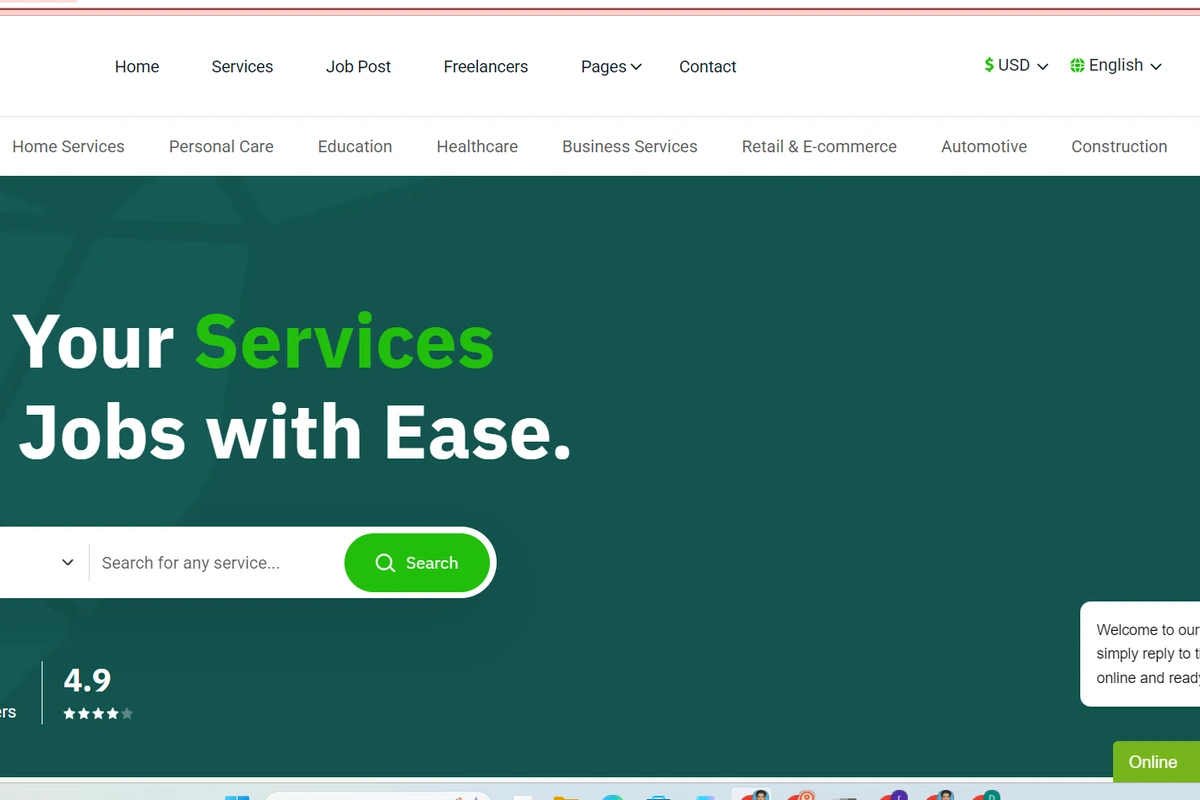
Marketplace platformUAE, Saudi Arabia and PakistanVerified project interface
Rizing Nation Marketplace
Rizing Nation regional marketplace website
01

The business and buying context

A marketplace must serve several users at once: buyers searching for help, providers presenting services, businesses posting opportunities and administrators maintaining category quality. Clarity between these journeys is essential for trust.

02

Audience and user intent

The primary audience includes people actively comparing providers in UAE, Saudi Arabia and Pakistan, alongside partners and returning users who need direct access to specific information. Page structure was therefore planned around intent: what the visitor is trying to achieve, what proof is required at that stage and which action should follow. This reduced the risk of treating every visitor as if they arrived with the same level of knowledge or urgency.

03

Content and search architecture

Content architecture was organized around the real offer rather than a collection of broad marketing statements. Core topics, service or category relationships, supporting questions and internal links were mapped so that users and search engines could understand the platform. The approach supports future location, service, project or editorial pages without forcing the business to rebuild the navigation each time it expands.

04

User experience and conversion

The interface prioritizes scannable headings, useful page hierarchy, responsive navigation and clear contact or transaction actions. Conversion was treated as a sequence of confidence-building decisions: understand the offer, confirm relevance, review proof, reduce uncertainty and then enquire, book, browse or continue to the next step. Mobile layouts were considered part of the core experience because many high-intent visitors reach UAE and regional service websites from phones.

Delivery approach

How the requirement was organized.

The sequence below describes the work logic. It is not a claim that every future project should use the same implementation.

01

Separate buyer, freelancer, agency and employer journeys.

02

Build a scalable category and regional taxonomy.

03

Prioritize search, profile and listing relationships.

04

Use responsive components that can support future marketplace modules.

Implemented outcome

The platform provides a clear foundation for regional service discovery, job posting and talent participation.

Dalmut separated reusable components from page-specific content so future updates remain manageable. The delivered scope included marketplace information architecture, buyer, freelancer and agency journeys, service and job discovery interfaces, regional and category structure. Claims, logos, imagery and performance information remain subject to client approval. Where current analytics or business results are unavailable, the case study describes the implemented system and observable public evidence instead of implying results that cannot be verified.

Evidence reviewed
  • Live marketplace interface
  • Service and category navigation
  • Responsive discovery flow
  • Account and posting pathways
Publication boundary

Marketplace activity and commercial results require current platform data.

Lessons for similar businesses

Marketplace UX depends on clear roles and content ownership.

Taxonomy design is a product decision, not only a navigation task.

Unverified user or listing counts should not drive credibility.

Next improvement opportunities

Use live evidence to decide the next investment.

The next improvement stage should be guided by current analytics, search demand, enquiry quality and operational feedback. Useful priorities may include deeper service or category content, structured FAQs, verified reviews, improved tracking, faster image delivery, clearer lead attribution and regular content updates. The exact roadmap should follow evidence from the live platform rather than assumptions made during the original build.

Case-study questions

What can—and cannot—be concluded.

What was the main purpose of this project?+

The product needed to serve several user roles and countries while keeping discovery, posting and account journeys understandable.

What did Dalmut deliver?+

Create a modular platform around category discovery, search, user roles, listings and clear marketplace calls to action.

Are performance results published?+

Marketplace activity and commercial results require current platform data.

Plan a similar initiative

Start with the business context and evidence available.

Dalmut will recommend the service mix, delivery stages and proof required for approval.

Request a Proposal
WhatsAppProposal
WhatsAppStart a Project