

Systems and automation
Business Software Solutions
Custom operational systems that connect teams, customers, vendors, information and decisions in one structured environment.
Process-led system designRole and permission architectureConnected reporting and automation
Before choosing a provider
Replace fragmented spreadsheets and disconnected processes with software designed around how the business actually works.
When a growing business depends on spreadsheets, inboxes and individual memory, errors and delays increase faster than revenue. Custom software should make ownership visible, connect information and reduce the work required to move a customer or operation forward.
UAE market context
Growth becomes expensive when customer, inventory, staff and reporting processes live in disconnected files.
Dalmut translates operational work into a controlled software model before selecting features. The result should reduce duplication, improve visibility and give each user the information and actions required for their role.
Problems this service should solve
Where spreadsheets, messages and disconnected tools create operational risk.
The strongest software opportunities appear where teams repeat the same data entry, cannot see status, rely on individuals or struggle to produce reliable reports.
Information is duplicated
The same customer, vendor or job information is maintained in several files and systems.
No one can see the full workflow
Managers depend on messages and meetings to understand status, responsibility and delay.
Standard tools do not match the operation
Teams work around software limitations with manual steps, creating more risk and less adoption.
Reporting arrives too late
Data is prepared manually after the fact instead of supporting daily decisions.
Subservices and deliverables
Translate the operating model into connected software workflows.
CRM, ERP, HRMS, inventory, portals, dashboards and automation should reflect real roles, approvals, records and exceptions.
Process and requirements discovery
Document current workflows, approvals, exceptions, data and reporting needs with the people who perform the work.
CRM and sales operations
Manage leads, stages, tasks, follow-up, ownership and reporting around the actual sales process.
ERP and operational systems
Connect finance, purchasing, inventory, projects or service operations where a full integrated model is justified.
HRMS and workforce workflows
Support employee records, attendance, leave, documents, approvals and management reporting.
Inventory and POS solutions
Improve stock visibility, transactions, location control and reconciliation.
Vendor and customer portals
Give external users secure self-service access to relevant records, requests and status.
Custom dashboards and business intelligence
Turn approved data into role-specific operational and management views.
Automation, integration and managed maintenance
Connect systems, reduce repetitive entry and maintain reliability as the business changes.
Scope architecture
What must be documented before custom software development begins.
The final statement of work confirms deliverables, dependencies, owners, approval points and what remains outside the current phase.
Process discovery
Current workflow, exceptions, approvals, data sources, user roles, reporting needs and measurable operational friction.
Product definition
Requirements, information architecture, data model, integrations, acceptance criteria and release roadmap.
Build and migration
Responsive application, APIs, roles, dashboards, notifications, data migration, testing and secure deployment.
Adoption and support
Training, documentation, monitoring, backlog governance, maintenance and measured process improvement.
Ways to engage
Start with the process that creates the most delay, risk or duplication.
A focused first phase can be commercially responsible when the next release, ownership and success criteria are clear.
A structured requirements and solution-definition phase before software investment.
Request this scopePriority modules delivered in controlled releases with user validation.
Request this scopeOngoing feature planning, maintenance, support, security and adoption improvement.
Request this scopeReal operating scenario
A services marketplace or multi-location operator
The business needs customer and vendor records, service requests, quotations, job status, document storage, notifications and management reporting. Dalmut maps roles and business rules, defines the data model, prototypes critical workflows, builds modular features and integrates required platforms. Launch is phased so teams can test real work before the next module is added.
- 01Process and role mapping
- 02Data and permission model
- 03Workflow prototypes
- 04Modular development
- 05Training, adoption and support
Budget and timeline drivers
What changes the commercial scope.
Dalmut prices against evidence, complexity and responsibility. A credible estimate is produced after the factors below are understood.
Exceptions, approval layers and multiple business units increase product definition and testing effort.
Cleaning historical spreadsheets or legacy records can be a major project stream.
Different roles, locations, partners and customers require clear access models and auditability.
Accounting, payments, CRM, inventory, messaging and government or vendor systems affect architecture.
Business impact and measurement
Measure cycle time, data quality, visibility and process completion.
The baseline should identify manual steps, duplicate records, approval delays, reporting gaps, exceptions and the cost of current workarounds.
AreaCommon starting pointTarget operating state
Multiple inconsistent records
One controlled source of operational truth
Status hidden in messages
Assigned tasks, stages and audit history
Manual handoffs
Automated notifications and connected actions
Retrospective spreadsheets
Role-based dashboards and current information
How long a defined business process takes from request to completion.
Reduction in duplicate, incomplete or inconsistent records.
Whether the intended roles use the system correctly and consistently.
How quickly decision-makers can access reliable status and exceptions.
Why Dalmut for this work
Process analysis, interface design and engineering remain accountable to one outcome.
Dalmut avoids feature-first development by defining users, records, permissions, decisions and acceptance criteria before implementation.
Operational discovery
We document how work is actually performed, including exceptions and approval points.
User-centered workflows
Interfaces are designed for the staff, customers and vendors who must use them daily.
Modular delivery
Critical workflows can launch first while the architecture supports later modules.
Business ownership
Scope, permissions, integrations, backups and support responsibilities are documented.
A system teams can use, leaders can trust and the business can extend.
- Centralized operational data
- Clear ownership and workflow status
- Reduced manual processing
- Better reporting and oversight
- Improved customer and vendor experience
- Scalable business operations
Where custom operational software creates the most value.
Growing SMEsMulti-location businessesService marketplacesProperty and facilities companiesRetail and distributionProfessional operations teams
Delivery strategy
Map, prioritize, prototype, build, migrate and improve in controlled releases.
Each release is tied to a workflow, owner, data model, test case and adoption plan rather than an open-ended feature list.
Map current processes, roles, systems and bottlenecks.
Define the data model, permissions and business rules.
Prototype key workflows and dashboards.
Build modules and integrate required platforms.
Test, train users and support phased adoption.
Related client work
View all projects See the capability in three genuine operating contexts.
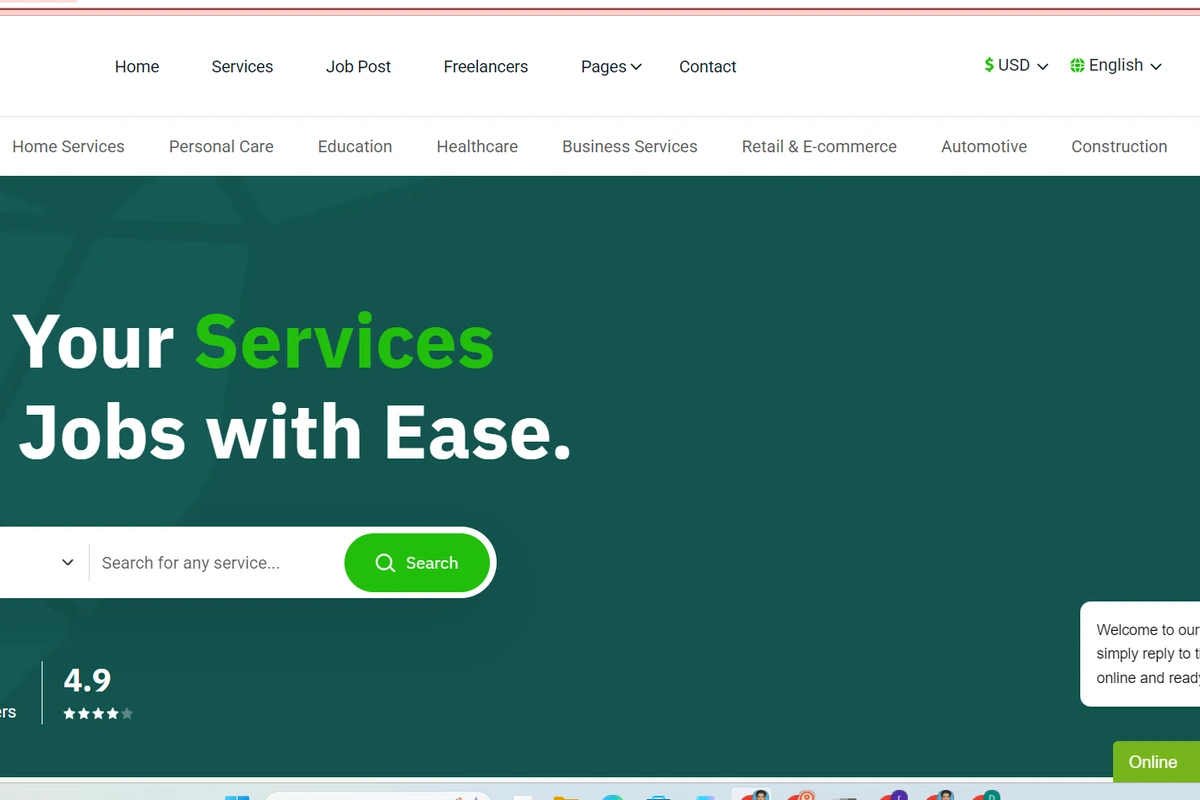
Rizing Nation
A multi-country marketplace enabling businesses, freelancers and agencies to publish services, post jobs and connect through structured discovery.

Fixpert Solutions
A multi-category directory connecting customers with service providers across home care, maintenance, lifestyle and digital services.

Travel Point
A directory platform helping customers search travel agencies, tour operators, packages and study-abroad providers in one place.
Useful planning guidance
All insights Prepare the business decision before requesting scope.

When to Build Custom Software
Signals that fragmented processes, duplicate data and manual coordination are limiting growth.
Read the complete guide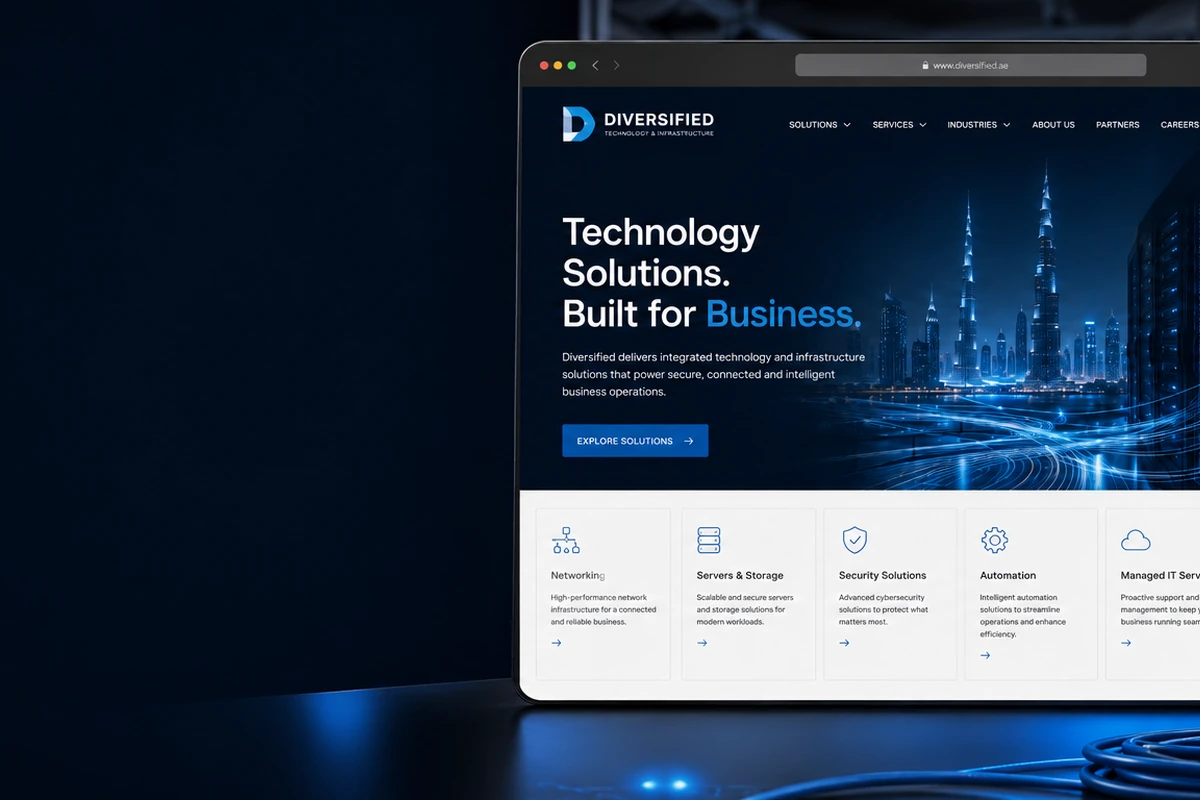
Scalable CMS Structure
How structured content avoids duplicated pages and makes future website expansion easier.
Read the complete guide
AI Automation Use Cases UAE
Twelve controlled AI workflows for customer service, sales, knowledge, documents and operations, with guidance on data, human handoff and business value.
Read the complete guideFrequently asked questions
What UAE companies ask before investing in custom business software.
Include technical, commercial, ownership or implementation questions in your proposal request so the answer can be grounded in your actual situation.
Should we buy existing software or build custom software?+
Existing software is usually better when it already supports most of the required workflow. Custom development is justified when process fit, integration, ownership or differentiation creates material business value.
Can you integrate our current CRM, accounting or payment tools?+
Yes where secure APIs and supported access are available. Integration scope is confirmed after reviewing the platform, data and permissions.
How do you control project risk?+
We use documented requirements, prototypes, phased modules, acceptance criteria, test environments and clear change control.
Will staff receive training?+
User guidance, role-based onboarding and implementation support can be included. Adoption is treated as part of delivery rather than an afterthought.
Who owns the data?+
Data ownership, access, export and retention should be defined in the commercial and technical agreement before development begins.
Can the system scale later?+
The architecture can be designed around modular features, reusable APIs and clear data relationships, but future scale requirements should be discussed during discovery.
Make the next decision with clarity
Replace one costly operational bottleneck with a controlled digital workflow.
Share the current process, users, records, approvals, exceptions and reporting needs. Dalmut will define the first useful software release.